
What Are Electrolytes? A Simple Introduction
Electrolytes are minerals that carry an electrical charge when dissolved in a liquid. They are present in your body and in many foods and beverages. The term "electrolyte" refers to the function of these minerals, not a specific type.
When certain minerals dissolve in water, they separate into ions, which have either a positive or a negative charge. These ions enable the conduction of electricity in liquids. Common electrolytes include sodium, potassium, chloride, magnesium, and calcium.
Your body contains water in your blood, cells, and tissues, and electrolytes are present in all these fluids. The concentration of each electrolyte varies by location. Understanding electrolytes helps explain their role in your body.
The Chemistry of Electrolytes
Electrolytes are substances that dissociate into ions when dissolved in water. An ion is simply an atom or molecule with an electrical charge. This breaking apart is called ionization or dissociation.
Table salt is a good example. It is made of sodium and chlorine joined together. When you put salt in water, it splits into sodium ions, which have a positive charge, and chloride ions, which have a negative charge. These ions can move through water and carry an electric charge.
The strength of an electrolyte depends on the extent to which it dissociates in water. Strong electrolytes dissociate almost completely, while weak electrolytes only partially separate. Table salt and most bodily salts are strong electrolytes.
Not all minerals are electrolytes. For a mineral to be an electrolyte, it must dissolve in water and break into charged ions. Some minerals and nutrients in your body do not do this, so they are not electrolytes.
The charge of electrolytes is measured in units called equivalents. This takes into account how much of the ion is present and its charge. Lab tests usually show electrolytes in blood or other fluids as milliequivalents per liter (mEq/L) or millimoles per liter (mmol/L).
Types of Electrolytes in the Body
Your body has several different electrolytes. Each one has its own chemical properties and is found in different places.
Sodium is the most common positive electrolyte outside your cells. It is mostly in your blood and the fluid around your tissues. Sodium dissolves easily in water and dissociates completely into ions.
Potassium is another positive electrolyte, but it is mostly inside your cells. There is a lot more potassium inside cells than outside.
Chloride (Cl−) is the main negative electrolyte outside your cells. It is often found with sodium in your body and in foods like table salt.
Calcium has two positive charges per ion. Most of the calcium in your body is stored in your bones and teeth. Some calcium is dissolved in your blood and other fluids. In your blood, calcium can be charged or uncharged.
Magnesium also has two positive charges. It is in your bones, inside your cells, and in smaller amounts outside your cells. Like calcium, magnesium can be charged or uncharged.
Phosphate is a negative electrolyte with three charges. It is found in different forms in your body. Phosphate is part of your bones, cell membranes, and DNA.
Bicarbonate is a negative electrolyte in your blood and other fluids. Your body is always making it from carbon dioxide and water.
Each electrolyte has a usual range in your blood and other fluids. Lab tests measure these ranges and give reference values for adults. The amounts of each electrolyte vary depending on where you look in the body. The levels inside your cells are often very different from the levels outside your cells.
Where Electrolytes Come From
You get electrolytes from the foods and drinks you have. Your body cannot make these minerals, so you need to get them from what you eat and drink.
Different foods have different kinds and amounts of electrolytes. Sodium and chloride are in table salt and in many processed foods. Potassium is in fruits like bananas and oranges, vegetables like potatoes and spinach, and beans. Magnesium is in nuts, seeds, whole grains, and leafy greens. Calcium is found in dairy products, plant-based milks, and leafy greens. Phosphate is in foods with protein, like meat, dairy, nuts, and beans.
Electrolyte content in foods can vary significantly. Some foods are rich in specific minerals, while others contain only small amounts. Nutrition databases can help determine the mineral content of foods.
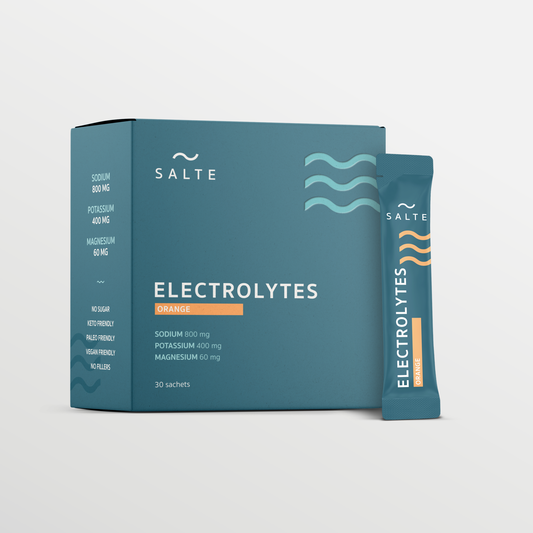
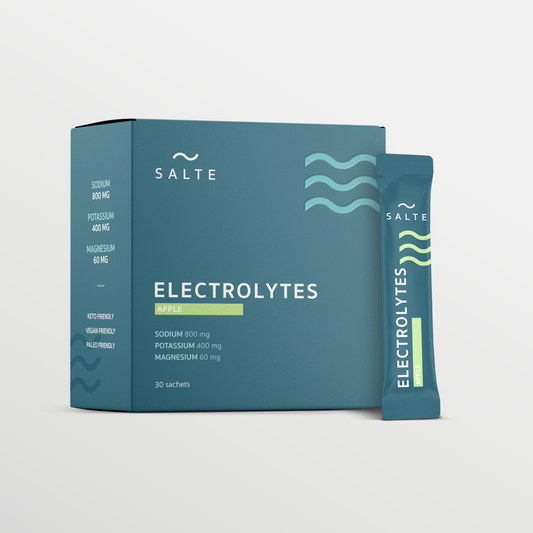
Beverages can also provide electrolytes. Plain water contains few electrolytes unless they are added or naturally present. Milk supplies calcium, potassium, sodium, and phosphate. Fruit juice offers potassium and smaller amounts of other minerals. Sports drinks typically contain sodium, potassium, and sometimes additional minerals, and are available as ready-to-drink liquids, powders, or concentrates. Labels indicate the electrolyte content of these drinks.
Electrolytes are also available in tablets, capsules, and gels, in addition to drinks. These products are often used during exercise or in hot conditions, and each contains a specific mix and amount of minerals.
Understanding electrolytes clarifies how they are present in both your body and diet. These charged minerals are found in all body fluids and are obtained through food and beverages.