
Potassium: A Naturally Occurring Mineral
What if one overlooked mineral quietly powered every cell in your body? Potassium might not grab headlines like trendy superfoods, but this humble mineral deserves a closer look. From bananas to sports drinks, potassium pops up in numerous foods and beverages. So what exactly is potassium, where does it come from, and why do we encounter it so frequently in discussions about nutrition and electrolytes?
What Is Potassium?
Potassium is a chemical element represented by the symbol K (derived from kalium, its Neo-Latin name). In its pure elemental form, potassium is a soft, silvery-white metal that reacts vigorously with water and air. However, you won't find pure potassium metal in your pantry; it occurs naturally and in our food supply as part of various compounds.
As a mineral, potassium belongs to the category of electrolytes. These are substances that, when dissolved in water, separate into electrically charged particles called ions. The ability to conduct electrical signals makes electrolytes fundamental to cellular chemistry. Potassium, along with sodium, magnesium, calcium, and chloride, is one of the major electrolytes found in living organisms.
Fun fact: Potassium was first isolated in 1807 by British chemist Humphry Davy, who extracted it from caustic potash (potassium hydroxide). The discovery was so exciting that Davy reportedly danced around his laboratory in celebration!
Potassium is remarkably abundant in the Earth's crust, ranking as the seventh most common element. It's present in soil, rocks, and minerals, which explains why it naturally appears in plants that grow in potassium-rich soil. This geological abundance directly translates into our food supply.
Potassium in Foods and Beverages
One of the most interesting aspects of potassium is its widespread presence in the food we eat. Unlike sodium, which often enters our diet through added salt, potassium occurs naturally in a vast array of whole foods.
Fruits are particularly rich sources. Bananas are synonymous with potassium; a medium-sized banana contains roughly 400-450 milligrams. However, other fruits match or exceed this amount: dried apricots, prunes, raisins, dates, cantaloupe melon, and oranges all provide substantial quantities. A single baked potato with skin can contain over 900 milligrams of potassium, making it one of the most concentrated sources of potassium.
Vegetables, including spinach, Swiss chard, Brussels sprouts, broccoli, and butternut squash all contain notable amounts. Legumes such as white beans, lentils, and chickpeas are excellent sources. Even fish, poultry, and dairy products contribute to dietary potassium intake, though generally in smaller quantities than plant foods.
Fun fact: Cup-for-cup, tomato paste contains more potassium than a banana. A hundred grams of tomato paste packs in approximately 1,000 milligrams of potassium!
The presence of potassium in such diverse foods means that most people consuming varied diets encounter this mineral regularly, often without realising it. The EU reference value for daily potassium intake is 2,000 milligrams, though actual consumption varies widely based on dietary patterns.
Potassium in Electrolyte Products
Walk down the sports nutrition aisle, and you'll spot potassium listed on nearly every electrolyte drink, tablet, and powder. But why does this mineral feature so prominently in these formulations?
Potassium is the primary electrolyte found inside cells, whereas sodium predominates outside cells. This distribution is a fundamental characteristic of cellular chemistry. Electrolyte product manufacturers include potassium in their formulations to create a mineral profile that reflects this natural distribution pattern.
The potassium concentration in commercial electrolyte products varies widely. Some contain as little as 50-100 milligrams per serving, whilst others include 200-400 milligrams or more. These amounts are typically lower than the sodium content in the same products, mirroring the relative concentrations found in blood plasma and extracellular fluid.
Several forms of potassium appear in electrolyte product formulations:
Potassium chloride is the most common form. It's highly soluble in water and provides both potassium and chloride ions. However, potassium chloride has a distinctly bitter, metallic taste that can be challenging for product developers to mask.
Potassium citrate offers a more neutral flavour profile. As the potassium salt of citric acid, it dissolves easily and creates a less bitter taste than potassium chloride. Premium electrolyte products often use potassium citrate, particularly in fruit-flavoured formulations.
Potassium phosphate appears less frequently but provides both potassium and phosphate ions. Some manufacturers include it in multi-mineral formulations.
Potassium bicarbonate is occasionally used, particularly in products where alkalinity is desired.
Fun fact: The chemical symbol K for potassium comes from the word alkali, which itself derives from the Arabic al-qaly, meaning "calcined ashes." Wood ashes were historically used as a source of potassium compounds for making soap and glass.
Forms and Usage Contexts
Potassium-containing electrolyte products come in various formats, each suited to different usage contexts. Ready-to-drink beverages offer convenience and immediate availability. Powders and tablets require mixing with water but provide portability and longer shelf life. Gels and chews deliver electrolytes in semi-solid form, often marketed for situations where carrying liquid is impractical.
These products are positioned for use in contexts that involve fluid loss, such as physical activity, hot weather, travel, and illness. Manufacturers design their formulations based on the assumption that consumers in these situations may require electrolyte replacement alongside fluid intake.
The potassium content of electrolyte products accounts for only a fraction of the typical daily intake from food. A serving of electrolyte drink containing 200 milligrams of potassium provides the same amount as half a banana or a small handful of raisins. This context matters when evaluating what these products actually contribute to overall mineral consumption.
Reading Potassium on Product Labels
EU food labelling regulations require that potassium content be listed in the nutrition information panel when present in significant amounts. The value is expressed in milligrams (mg) or grams (g), per 100ml or per serving.
When comparing products, pay attention to serving sizes, a 500ml bottle contains a different absolute amount of potassium than a 250ml serving, even if the concentration per 100ml is identical. The ingredients list will specify which potassium compounds are used in the formulation.
Some products highlight their potassium content on the front label, particularly when their levels are higher than those of competing products. This is a marketing choice rather than an indication of any particular characteristic of the product itself.
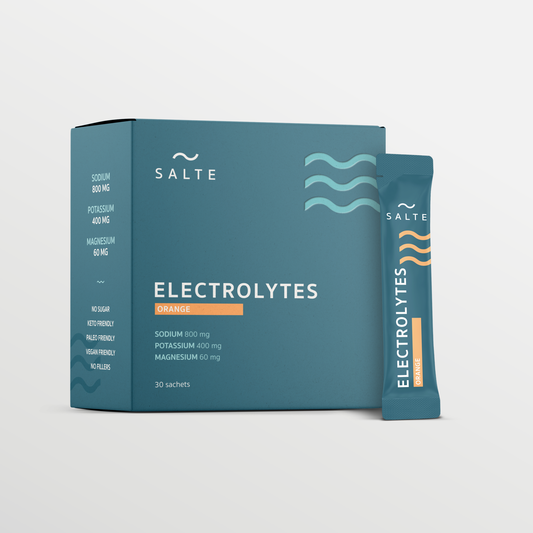
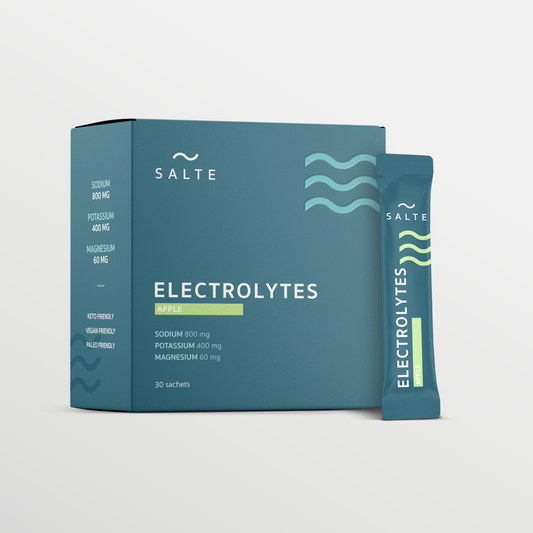
Many electrolyte formulations contain multiple minerals that work together. A typical product might include sodium, potassium, magnesium, and calcium, along with carbohydrates, flavourings, and sometimes vitamins. The complete formulation, not any single ingredient, defines the product's composition.
Potassium is simply a mineral, abundant in nature and present in countless foods and formulated products. Understanding what it is, where it comes from, and how it appears on ingredient labels allows you to make informed choices about the foods and beverages you consume. Whether you're munching on a banana, sipping an electrolyte drink, or cooking up a potato, you're encountering this naturally occurring mineral in its various everyday forms. Which potassium-rich choice will you make at your next meal?