
Electrolytes Explained: Sodium, Potassium and Magnesium
Sodium, potassium, and magnesium are three of the most abundant electrolytes found in the human body. Each exists as a charged ion when dissolved in bodily fluids, and each has distinct chemical properties, distribution patterns, and dietary sources. Understanding these three minerals provides insight into the composition of human tissue and the foods that supply them.
Sodium: Distribution and Dietary Sources
Sodium (Na+) carries a single positive charge and exists primarily in extracellular fluid, the liquid surrounding cells. Blood plasma typically contains sodium at concentrations of 135-145 mmol/L, making it the most concentrated cation in this compartment. Interstitial fluid, which bathes tissues between cells, maintains similar sodium levels.
The total sodium content in an adult human body is approximately 100 grams, with roughly 40% located in bone tissue, 50% in extracellular fluids, and 10% inside cells. This distribution reflects sodium's chemical properties and the way cell membranes regulate its movement. The sodium-potassium pump, a protein embedded in cell membranes, actively transports sodium outward, maintaining the low intracellular concentration.
Sodium chloride, common table salt, is the primary dietary source of sodium for most people. One gram of table salt contains approximately 390 mg of sodium. Processed foods, bread, cheese, cured meats, and tinned products typically contain significant sodium amounts. Natural sources include celery, beetroot, and seaweed, though these contain considerably less than manufactured foods.
Sweat contains sodium chloride, with concentrations typically ranging from 10-70 mmol/L depending on individual factors and acclimatisation. Someone who regularly experiences warm conditions may produce sweat with lower sodium concentration than someone less acclimatised. Sweat rates vary from less than 0.5 litres per hour during minimal activity to over 2 litres per hour in certain circumstances.
The kidneys filter approximately 25,000 mmol of sodium daily from blood, reabsorbing more than 99% of this amount. Urinary sodium excretion varies with intake,someone consuming 6 grams of salt daily will excrete approximately 2,300 mg of sodium in urine, whilst lower intake results in lower excretion.
Potassium: The Intracellular Electrolyte
Potassium (K+), like sodium, carries a single positive charge but shows an opposite distribution pattern. Approximately 98% of the body's potassium resides inside cells, with intracellular concentrations around 140 mmol/L. Extracellular potassium concentrations are much lower, typically 3.5-5.0 mmol/L in blood plasma. This steep concentration gradient is maintained by the sodium-potassium pump, which moves potassium into cells whilst moving sodium out.
The adult human body contains roughly 140 grams of potassium, making it the eighth most abundant element by mass in human tissue. Muscle tissue, which comprises a significant portion of body mass, contains substantial potassium due to its high cellular density.
Dietary potassium comes predominantly from plant sources. Potatoes contain approximately 420 mg of potassium per 100 grams, bananas provide around 360 mg per 100 grams, and spinach contains roughly 560 mg per 100 grams. Dried fruits, beans, lentils, avocados, and tomatoes are also significant sources. Meat and fish contribute potassium as well, with salmon providing about 360 mg per 100 grams.
Potassium absorption occurs primarily in the small intestine, with approximately 85-90% of dietary potassium entering the bloodstream. The kidneys then regulate plasma potassium concentration by adjusting excretion rates. Unlike sodium, which the body can conserve extensively, the kidneys maintain a minimum potassium excretion even when intake is low.
Cooking methods affect potassium content in foods. Boiling vegetables in water can leach potassium into the cooking liquid, reducing the amount remaining in the food itself. Steaming or roasting generally preserves more of the mineral.
Magnesium: A Multifaceted Mineral
Magnesium (Mg2+) carries two positive charges, distinguishing it chemically from sodium and potassium. The adult human body contains approximately 25 grams of magnesium, with about 60% stored in bone tissue, 39% in soft tissues and muscles, and only 1% in extracellular fluid. Blood serum magnesium concentration typically ranges from 0.7-1.0 mmol/L.
Intracellular magnesium exists in several forms. Some is bound to ATP (the cell's energy currency molecule), some is bound to proteins or nucleic acids, and some exists as free ionised magnesium. The free ionised form represents only a small fraction of total cellular magnesium but is the form measured in standard blood tests.
Dietary sources of magnesium include green leafy vegetables, where the mineral forms part of the chlorophyll molecule's structure. Spinach contains roughly 80 mg of magnesium per 100 grams. Nuts and seeds are concentrated sources, almonds provide about 270 mg per 100 grams, pumpkin seeds around 590 mg per 100 grams. Whole grains, legumes, dark chocolate, and certain fish also contribute dietary magnesium.
Water hardness relates to calcium and magnesium content. "Hard water" contains higher concentrations of these minerals, whilst "soft water" contains less. The magnesium content in drinking water varies significantly by geographical location, from less than 1 mg/L to over 50 mg/L in some regions.
Magnesium absorption occurs throughout the small intestine, with efficiency ranging from 30-50% depending on intake levels and the presence of other dietary components. Phytates found in grains and oxalates in certain vegetables can form complexes with magnesium, reducing absorption. The kidneys regulate magnesium balance, typically excreting about 100 mg daily in urine when intake is adequate.
Sweat and faecal losses account for smaller amounts of magnesium excretion. Sweat typically contains 1-4 mmol/L of magnesium, considerably less than sodium or chloride concentrations in sweat.
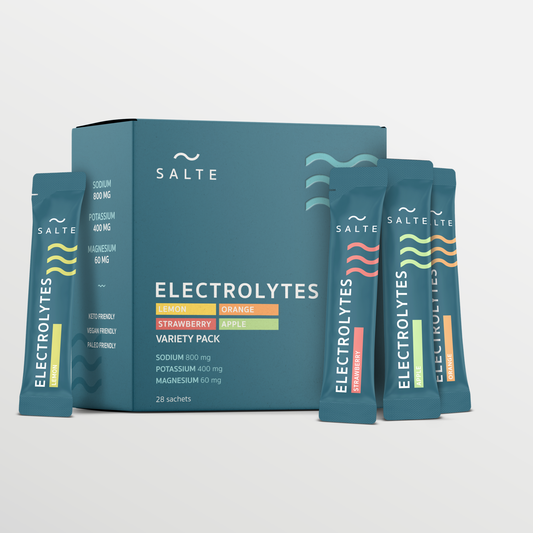
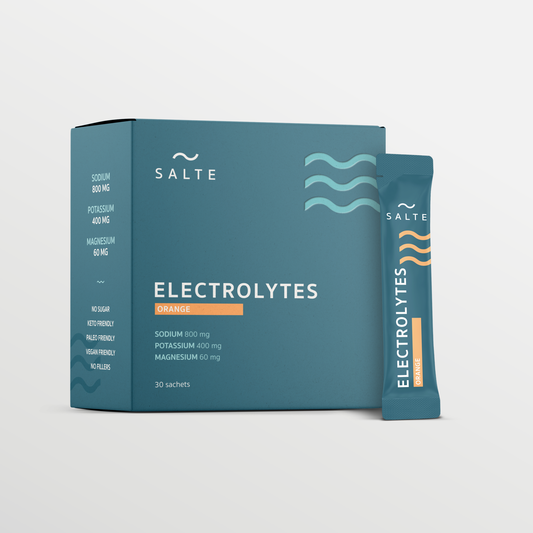
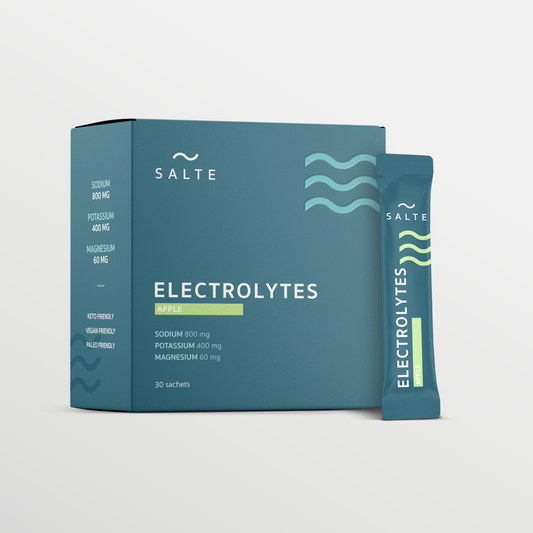
Commercial electrolyte products vary in which of these three minerals they contain and in what proportions. Some formulations include all three, whilst others focus on sodium and potassium alone. Magnesium bisglycinate, magnesium citrate, and magnesium chloride represent different chemical forms used in supplements and electrolyte products, each with distinct solubility and absorption characteristics.
These three electrolytes, sodium, potassium, and magnesium, represent essential minerals obtained exclusively through diet, each with characteristic distribution patterns and chemical properties that define their presence in human physiology.